P1 · 9 min read · April 2026
Will DLSS 5 Kill Artistic Vision in Games? An Honest Assessment
Will DLSS 5 Kill Artistic Vision in Games? An Honest Assessment
dlss5 controversy · ai in games · artistic control · neural rendering ethics · 游戏艺术
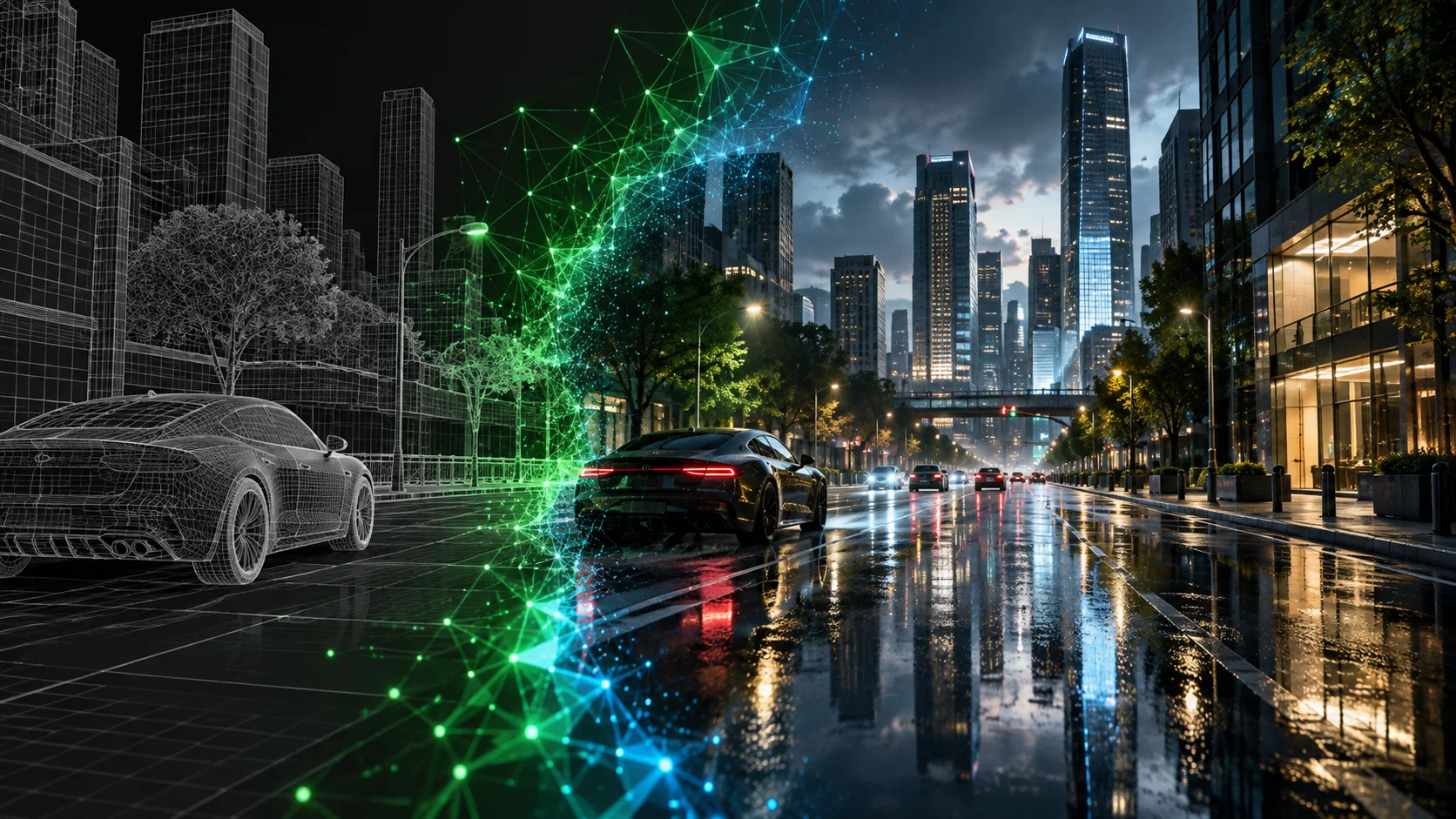
The debate around DLSS 5 has been loud, messy, and frequently reductive. Here's an honest attempt at the actual question.
What "Artistic Vision" Actually Means in a Game
When people talk about a game's artistic vision, they usually mean a cluster of deliberate choices made by the people who created it: the color grading, the mood of the lighting, how characters are designed to look and feel.
These choices accumulate over years of development. A lighting director spends months tuning how the sun hits a forest clearing. A character artist spends weeks on a face's micro-expressions. When players say they "notice" when something is AI-generated, this is what they're noticing — the absence of those accumulated human decisions.
The Strongest Argument For DLSS 5
In most cases outside of character faces, the technology is genuinely astonishing. Environment lighting, material response on surfaces, the subtle way light changes as you move through a space — these are transformed in ways that feel revelatory rather than intrusive.
The cases where DLSS 5 struggles are specifically the cases where human aesthetic decisions are most legible — faces, stylized designs, intentionally non-photoreal characters.
NVIDIA's own technology works much better than their worst marketing example showed. The PR disaster was largely self-inflicted.
The Strongest Argument Against
The concern isn't really about whether DLSS 5 can be tuned to respect artistic intent. It's about whether it will be.
NVIDIA has enormous leverage over PC game developers. DLSS adoption is now effectively mandatory for competitive gaming performance. The Capcom situation is instructive: Capcom executives approved the GTC demo, while Capcom artists reacted with visible shock when they saw it publicly.
What Would "Getting It Right" Look Like?
Per-object masking as a default, not an option. Characters — especially faces — should be masked out of DLSS 5 enhancement unless a developer specifically opts them in.
Player-level toggle with visual feedback. A visible toggle that lets players instantly compare the DLSS 5 output against the base render, in real time.
Transparent development about the training data. Users and developers have a reasonable interest in knowing what DLSS 5 was trained on.
Where We Land
DLSS 5 is not a threat to artistic vision by definition. It is a threat to artistic vision by default configuration, current implementation, and corporate incentive structures.
The technology is real, impressive, and genuinely capable of producing results that feel like next-generation graphics. Whether that autonomy will exist in practice is an open question.
A Note on AI Tools Generally
At dlss5.app, we build AI image enhancement tools. Our answer has been: show users exactly what changed, let them adjust intensity, and never process anything irreversibly without their explicit approval.
Before/after comparison before every download. The AI is a tool; the user is the artist.
Sources: NVIDIA GTC 2026 · Digital Foundry · WCCFTech · PC Gamer · fxguide
This site is not affiliated with or endorsed by NVIDIA Corporation.